
Service & Care
A garment well cared for outlives trends, economies, and sometimes its owner. Here is how we recommend you keep yours.
Bespoke cloth is not consumable. It is an investment in material and making — one that deepens with each season of proper care. The guidance below is not exhaustive, but it is the foundation we give every client at delivery.
When in doubt, bring the piece to us. Alterations, repairs, refittings, and professional cleaning are all available through your client dashboard. A garment from The Vicuña Room is never truly finished — it is maintained, season after season.
Fabric Care Guides
Each fibre has its own temperament. Understanding it is the first act of care.
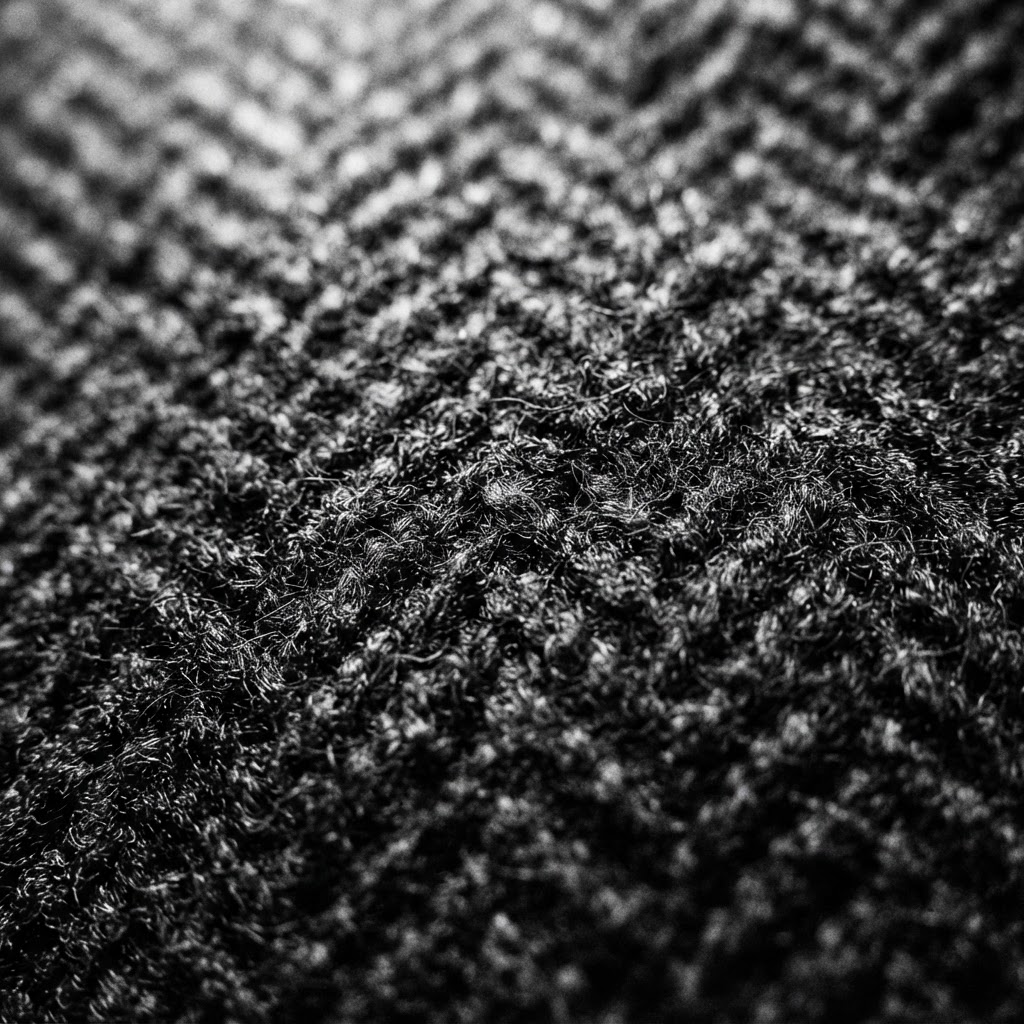
Wool & Worsted
The backbone of tailored cloth. Worsted wools are combed for smoothness and durability, making them ideal for suits and trousers that see regular rotation.
- 01Rest the garment on a wide wooden hanger for 24–48 hours between wears to let fibres recover their shape.
- 02Brush gently with a soft-bristle clothes brush after each wear — downward strokes only — to remove dust and surface particles.
- 03Steam, never iron directly. A steamer relaxes the fibre and removes odours without pressing the life out of the cloth.
- 04Dry clean sparingly — once or twice a season at most. Chemical cleaning strips natural oils over time.
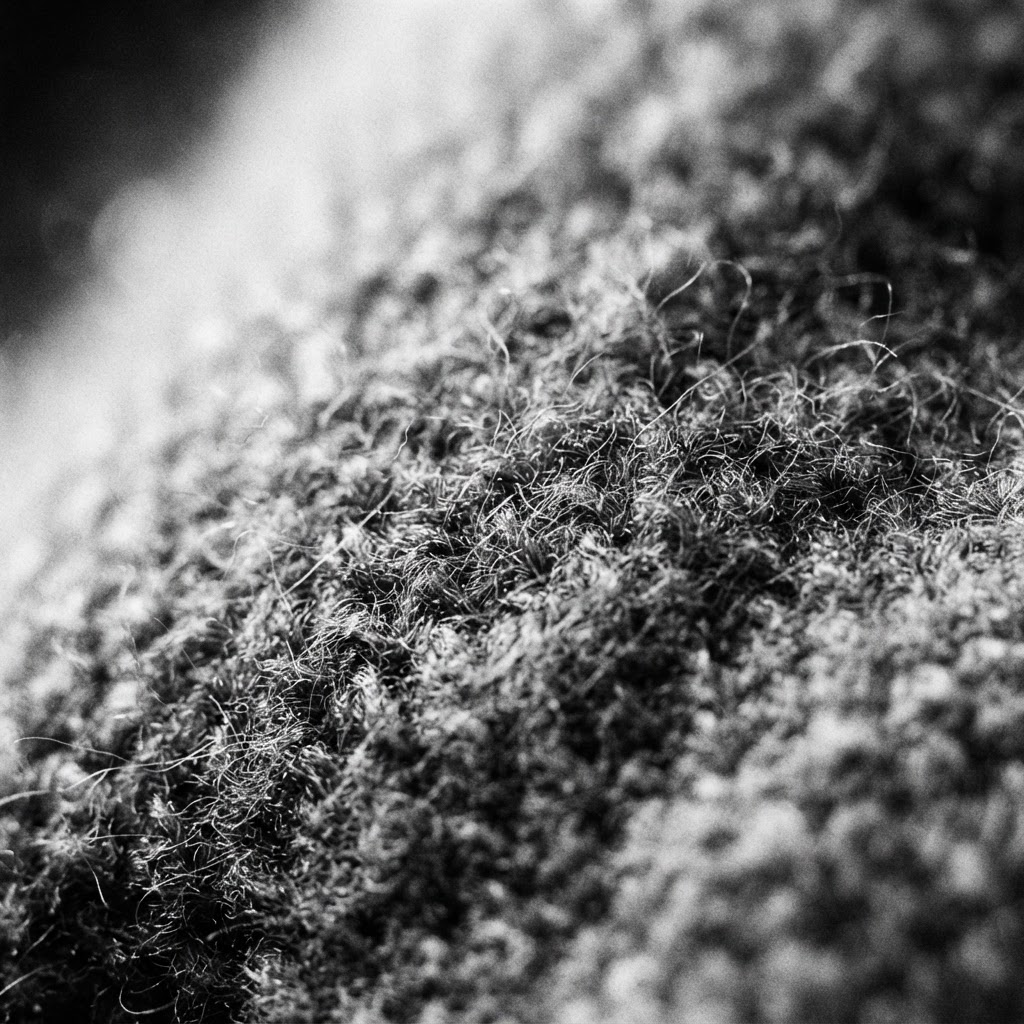
Cashmere
Softness earned from rarity. Cashmere fibres are delicate by nature and reward gentle, considered care with years of warmth.
- 01Hand wash in cool water (under 20°C) with a dedicated cashmere or wool wash. Never wring — press water out gently between folded towels.
- 02Dry flat in shade on a clean towel, reshaping while damp. Hanging distorts the knit irreversibly.
- 03Store folded with sheets of acid-free tissue between layers to prevent friction pilling.
- 04De-pill with a fine comb or cashmere stone — never pull pills by hand, as this pulls live fibre from the knit.
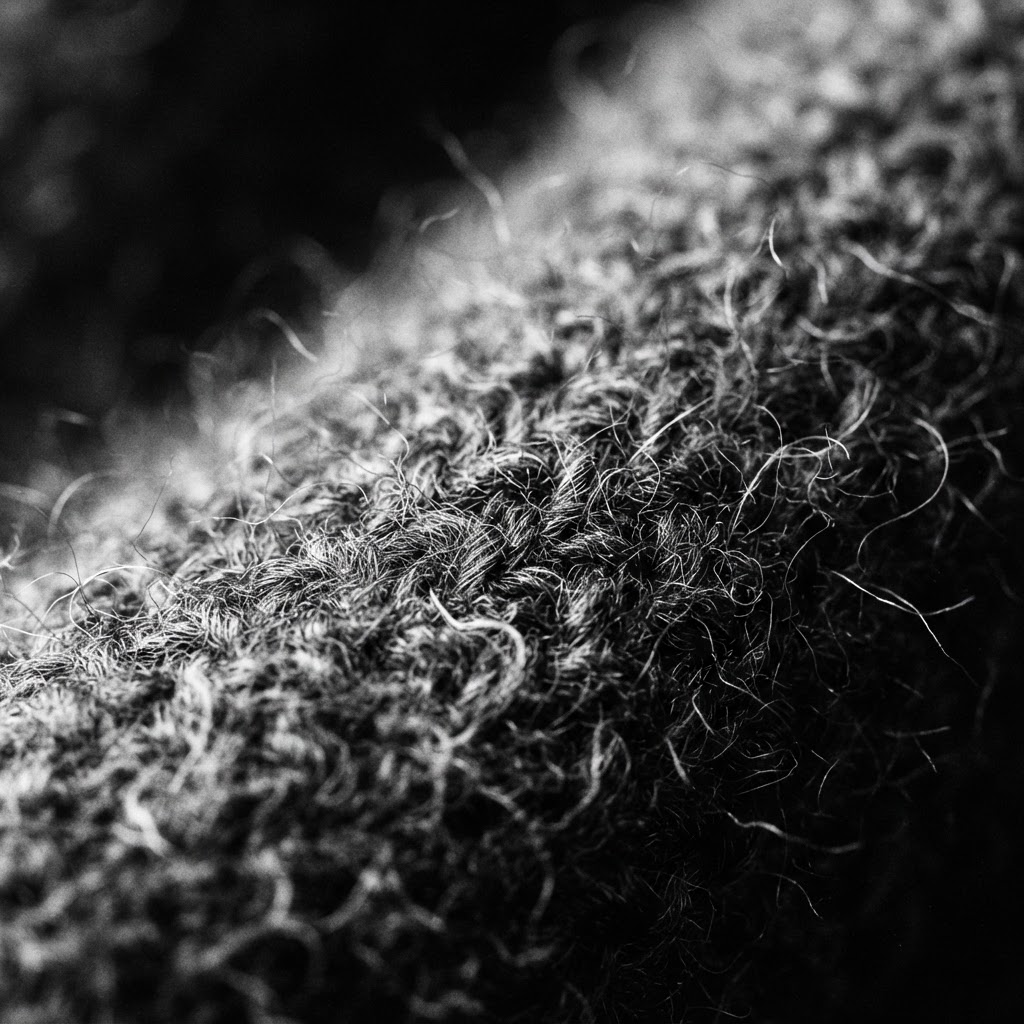
Vicuña
The rarest natural fibre on earth. Vicuña demands reverence — its fineness is also its vulnerability. Treat it as heirloom, not garment.
- 01Wear infrequently and always over a clean shirt or base layer to minimise contact with skin oils.
- 02Professional specialist cleaning only. Never hand wash or steam at home — the fibre is too fine for domestic methods.
- 03Store in a breathable cotton garment bag with natural cedar (never mothballs) in a temperature-stable room.
- 04Air the piece outdoors in dry shade for an hour after each wear before returning it to storage.
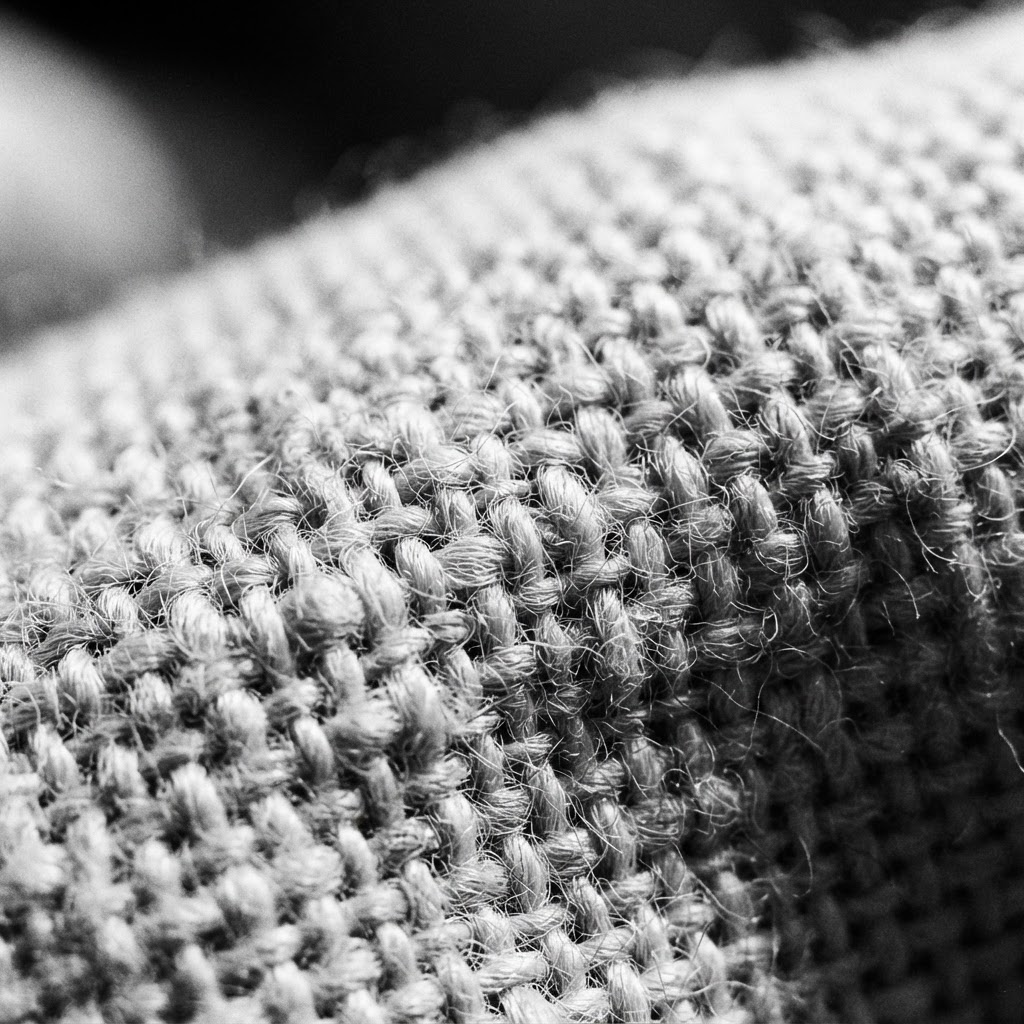
Linen
Breathable and honest. Linen wrinkles as a sign of life, not neglect. Its care is simple but intentional.
- 01Machine wash cold on a gentle cycle or hand wash. Linen softens and improves with each wash.
- 02Iron while slightly damp on a medium setting for a crisp finish, or embrace the natural rumple for casual wear.
- 03Store rolled or folded loosely — hanging heavy linen can stretch the shoulders over time.
- 04Avoid over-drying; remove from the line while still slightly damp to preserve the fibre's natural drape.
Storage, Cleaning & Rotation
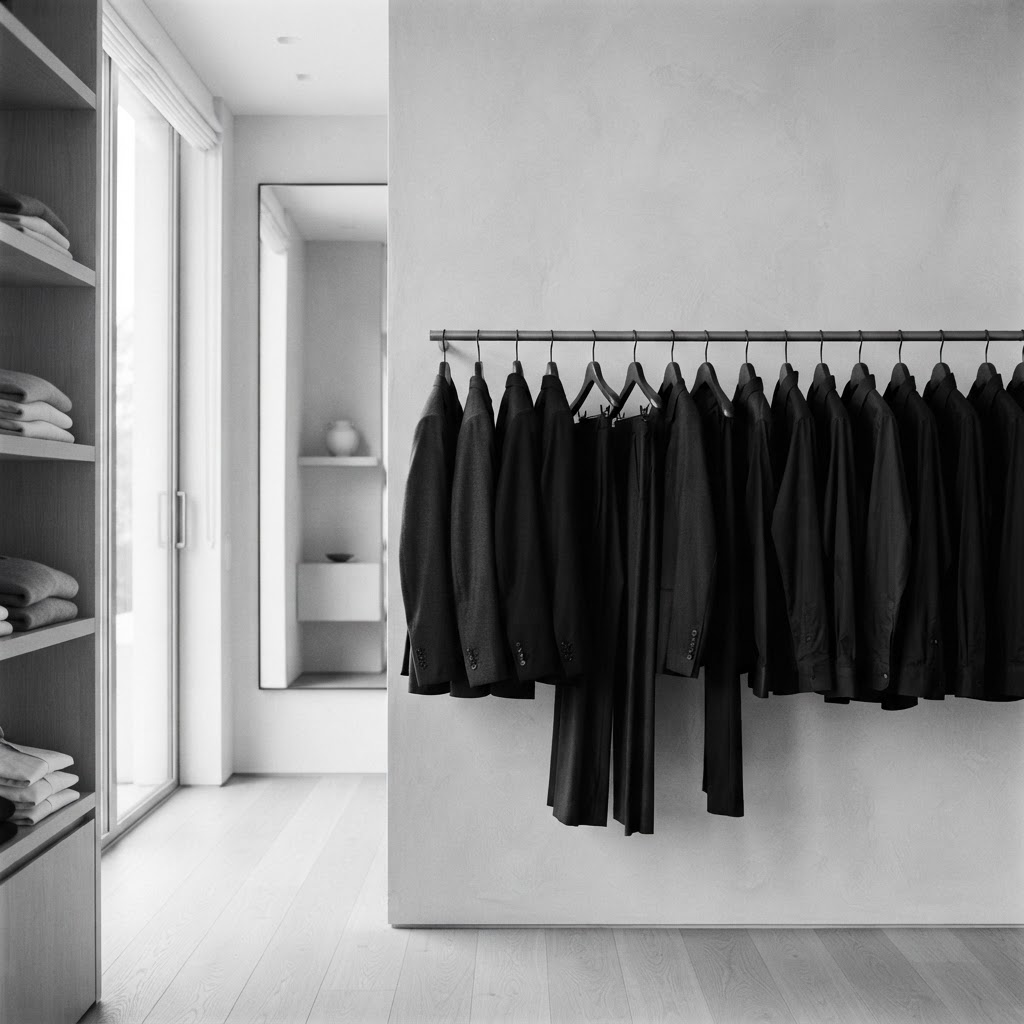
Storage
Cloth breathes. A wardrobe is not a vault — it is a room for garments to rest in.
- —Use wide, contoured wooden hangers for tailored jackets and coats — never wire. The hanger should mirror the shoulder line.
- —Maintain 45–55% humidity in the wardrobe. Too dry and fibres brittle; too damp and mildew takes hold.
- —Fold knits — never hang them. Gravity is the enemy of a cashmere shoulder.
- —Keep garments spaced. Crowding prevents air circulation and invites creasing and moisture retention.
- —Use breathable cotton garment bags for seasonal storage. Plastic traps moisture and accelerates fibre degradation.
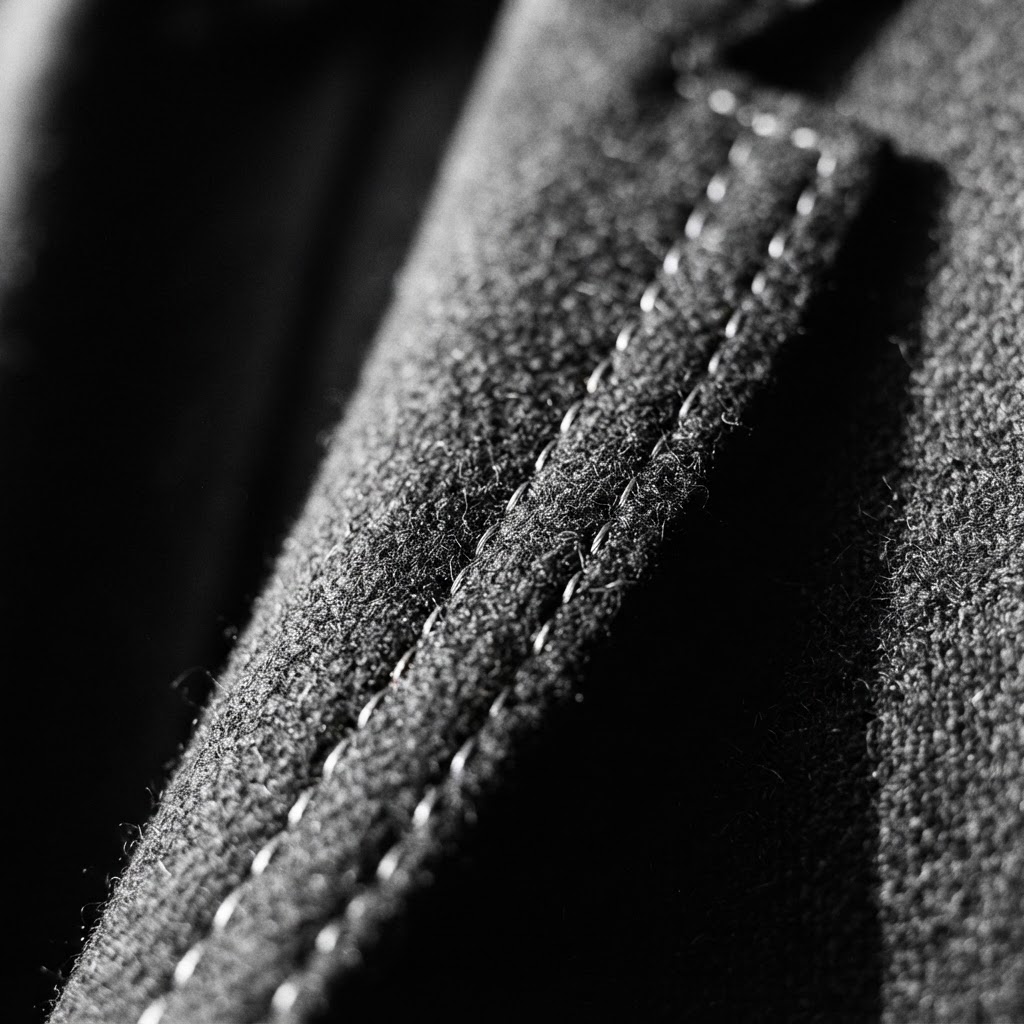
Cleaning
Clean less, care more. Most garments need airing, not washing.
- —Air garments overnight in a well-ventilated room after each wear. Fresh air and shade remove odours more gently than any detergent.
- —Spot-clean stains immediately with a damp cloth and mild soap, working from the outside of the stain inward.
- —Dry clean only when truly necessary — end of season, or visible soiling. Over-cleaning shortens a garment's life dramatically.
- —For wool suits, a light steam and brush routine every few weeks is superior to any dry-clean visit.
- —Always follow the cloth's origin guidance. Bespoke pieces carry specific care notes from the tailor who cut them.
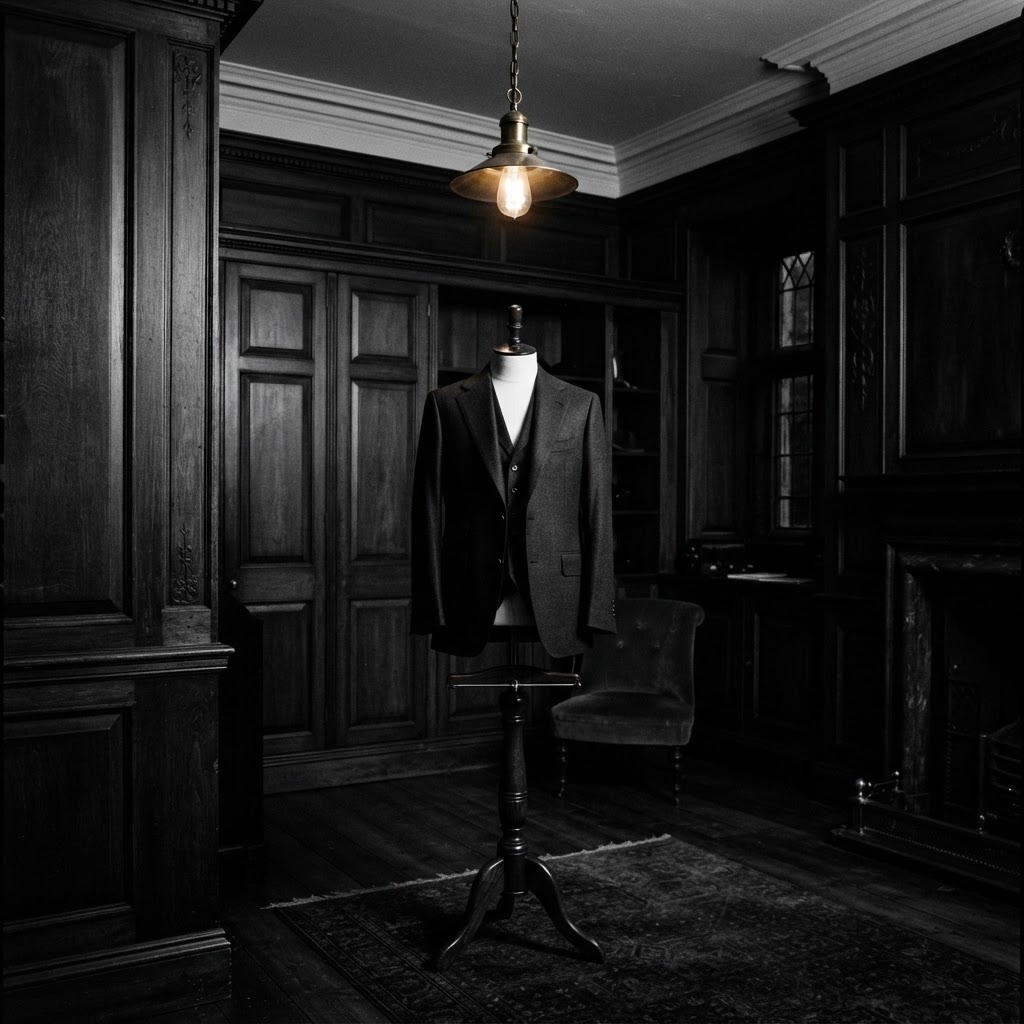
Seasonal Rotation
A wardrobe is a living cycle. Rotation is not organisation — it is preservation.
- —Rotate wears. No wool suit should be worn two days running; the cloth needs 24 hours to recover its shape and release moisture.
- —At season's end, clean before storing. Invisible skin oils and particles attract moths and yellow over months of storage.
- —Transition pieces between seasons — store heavy winter cloth in breathable bags with cedar, bring summer linens into rotation with a gentle wash.
- —Review each piece at the change of season. Note repairs, alterations, or refittings needed before the next cycle begins.
- —Keep a wardrobe record. Knowing what you own and when it was last serviced prevents over-wearing and neglect in equal measure.
When to Call Us
Some care is best left to those who cut the cloth. Alterations, refittings, structural repairs, and specialist cleaning are all part of the continuing relationship we hold with every garment we make. Raise a service request through your dashboard at any time.

The Room Is
Kept Private
One client at a time. Write to us, and the salon is yours for the hour.